The Microplastics Debate You're Having Is the Wrong One
You've probably already picked a side in the bottled-versus-tap microplastics debate. Bottled is convenient but "probably worse," tap is "probably fine but who knows." Here's the part that actually matters more: neither one is where most of your daily exposure is coming from, and arguing about water bottles while ignoring everything else is exactly the blind spot worth closing.
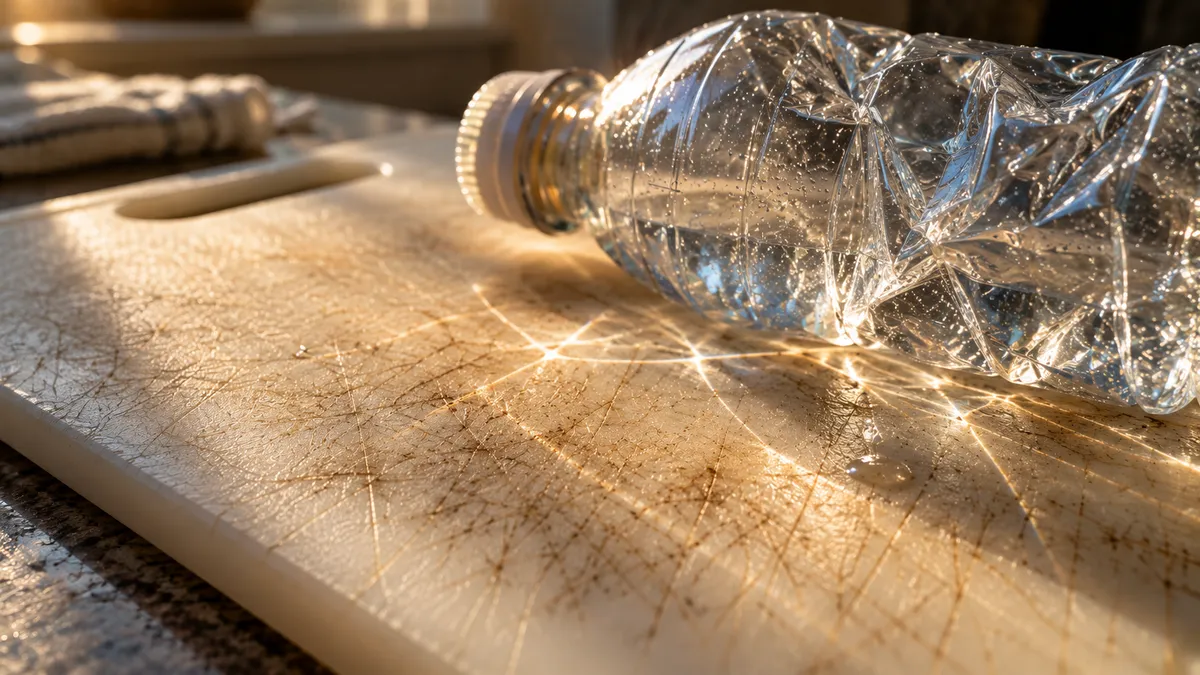
For what it's worth — bottled water does, on average, test higher for microplastic than tap, so if you've picked tap for that reason, you're not wrong. A widely cited 2024 study found roughly 240,000 detectable plastic particles per liter in bottled water on average, most of them nanoplastics small enough that older testing couldn't even see them. The bottle itself is a real part of that — heat exposure (a case that sat in a hot delivery truck or car) makes it worse, not better. But that's a rounding error next to habits most people never think to question at all.
I'm not telling you this to send you into a spiral about every plastic surface in your kitchen. The honest state of the research is that microplastics are already in essentially everyone's bloodstream at this point, and the long-term health implications are still being studied — we don't have decades of outcome data yet. What we do have is enough to say "reduce unnecessary exposure where it's easy to," not enough to say "panic."
So here's where I'd actually put effort, in order of what matters most:
Stop microwaving food in plastic containers, period. Heat is what accelerates plastic shedding into food, and this is one of the highest-exposure habits most people don't think twice about.
Swap a plastic cutting board for wood or a solid poly board that isn't being sliced into dust — cutting boards shed a genuinely alarming amount of microplastic directly into food over years of knife marks. This is arguably a bigger daily source than either side of the water debate.
If you're drinking a lot of bottled water out of habit, a decent home purification setup for tap is very likely lower-plastic than buying cases of bottles, on top of being cheaper over time — so it's still worth doing, just not the main event.
Skip the things that generate a lot of panic content but not much actual exposure reduction. You don't need to replace every food-storage container in your house this week. Start with heat exposure and cutting boards; that's genuinely where the leverage is.
What I won't do is tell you this is simple, or that there's a clean "toxin-free" version of modern life to opt into if you just buy the right products. That's its own kind of marketing, just aimed at a more anxious audience. The realistic goal isn't zero exposure. It's reducing the exposure that's easy to reduce, and not losing sleep over the debate that's actually smaller than you think.
Which one did you actually think about before reading this — your cutting board, or your water bottle?
L.A.
LA is the voice behind My Calm Longevity — writing about the calm science of living longer and better: protocols, recovery, and clean living, without the hype
